
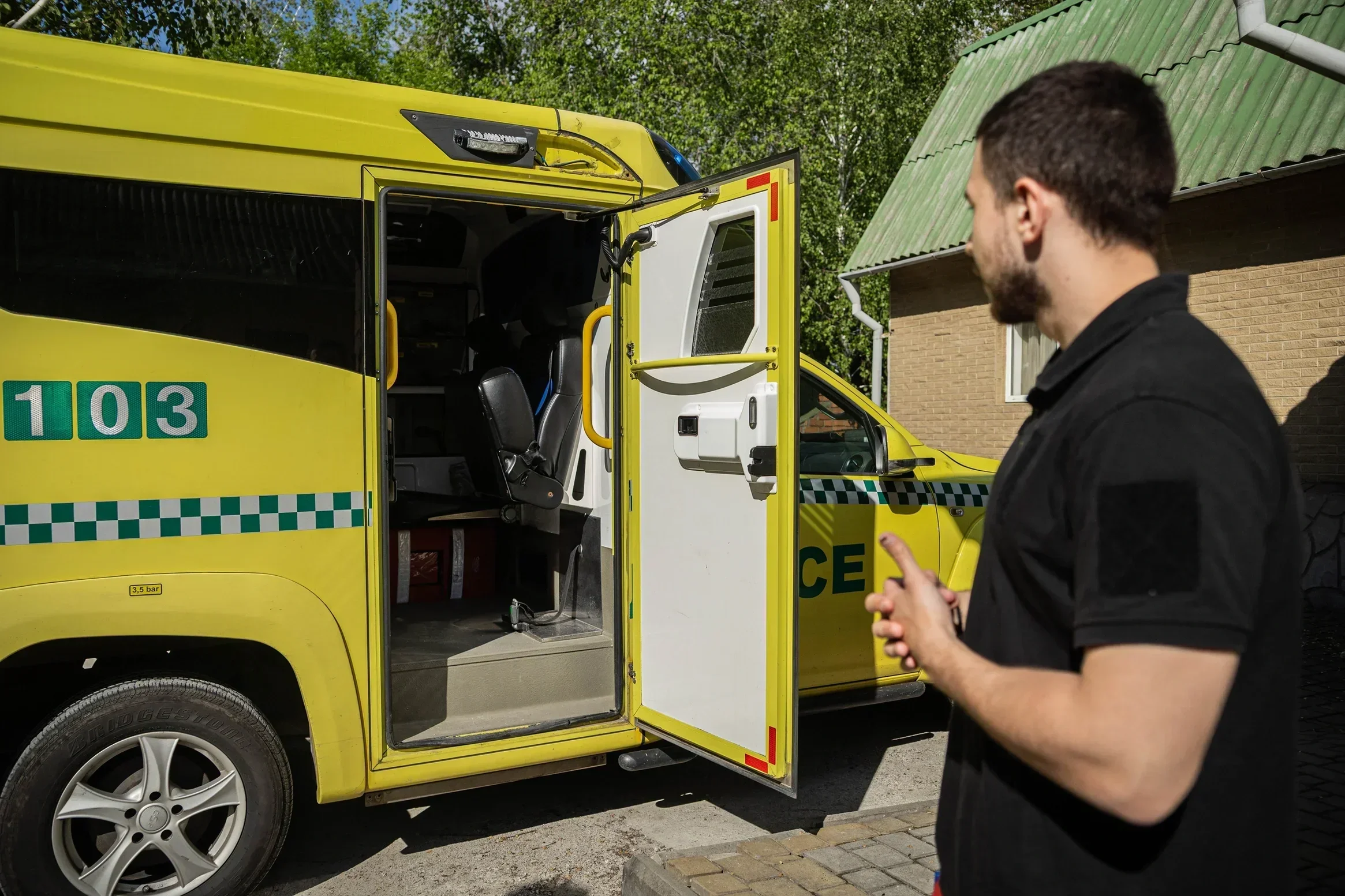
In The News
Artesans-ResQ Ukraine is a charitable organization that has been saving patients’ lives since 2022 through a coordinated system of Critical Care Transport (CCT) and medical staff training. Today, we are a provider of specialized patient transport within Ukraine and abroad, as well as the developer of the country’s first national CCT protocols and standards.
A conversation with Yan, one of our pediatric anesthesiologists
“I truly fell in love with the study of anesthesiology for children”
Yan is an anesthesiologist with the Artesans-ResQ Ukraine team. His path into medicine wasn’t straightforward. He had planned to pursue a completely different career, but decided to change direction and study medicine, even though everyone was against it. During his studies, he realized he had made the right choice. After exploring several different fields, he eventually found his place in anesthesiology.
Yan first joined Artesans-ResQ through training. He completed our course on critical care patient transport and later became a member of the team himself. Today, he transports patients of all ages, from newborns to adults, across Ukraine and internationally. He is also an instructor on the very same course where his journey with us began.
Yan is a critical part of the Artesans ResQ team. He works on the transport of critically ill patients of all ages, and he also is one of the instructors for the monthly courses we provide for doctors and nurses.
One of his cases included a newborn with congenital heart disease. The baby required surgery, but during the transport, it had respiratory distress and needed ventilation. The baby then fell into a heart arrhythmia, which also needed to be managed. It was a complicated and difficult transport, but, in the end, a happy success.
For Yan, what matters most is the people behind this work: those by his side in the ambulance, and those who contribute through donations, volunteering, or hands-on support.
“We are all working for the well-being of our patients,” he says.
October 14, 2026
Full Text
Why did you choose this profession?
Yan: I don't have any particular childhood story that brought me into medicine. Throughout my entire school life, I thought I would pursue economics or computer science. But toward the end of my studies, I grew so tired of that topic that I decided to fundamentally change my life's path and chose medicine to spite everyone. Once my studies began, however, I truly fell in love with the field and wanted to develop myself in it.
How did you first learn about our organization?
Yan: After exploring several specialties in medicine, I eventually chose anesthesiology. I started my professional career caring for newborns, and later expanded my specialization to adult patients as well.
Two years ago, a colleague invited me to a training course on transporting critically ill patients organized by the Artesans ResQ Ukraine team. I was very impressed by their approach to training. A bit later, the team leader invited me to collaborate with them.
What are your main responsibilities?
Yan: Currently, my work in the organization divides into two main branches.
1. The transport of critically ill patients of all age groups throughout Ukraine and across borders.
2. Serving as an instructor for the critical care patient transport course that we conduct on a monthly basis.
Which case from your practice do you remember most?
Yan: The case I remember most vividly was the transport of a newborn baby with congenital heart disease. The infant had to be brought to a specialized cardiac surgery department in Kyiv.
Our team carried out stabilization measures over the course of about six hours. At the initial assessment, the child was experiencing respiratory distress requiring mechanical ventilation. We also established central venous access so that medications could be administered rapidly and effectively.
During stabilization, we ran into a complication in the form of an arrhythmia, which we successfully managed medically. Once we evaluated that the baby was sufficiently stabilized and ready for transport, we carried out the transfer successfully and handed the baby over to the specialists in Kyiv.
Close
Yan: The most valuable part of our organization is its people. I want to thank everyone who works alongside us, and everyone who supports us financially, through volunteering, or with their own hands. This is extremely valuable to us, because ultimately, everything we do is for the benefit of our patients.
A talk With Stanislav, one of our Anesthesiologists
“We have to do the best we can with what we have, wherever we are.”
Stanislav is an anesthesiologist with the Artesans-ResQ Ukraine team. In this video, he shares how he found his way into medicine, how he first learned about ARQ and joined the team, and what working with critically ill patients means to him.
Medicine had been part of his life since childhood: both his mother and grandmother worked as nurses, and his mother still does. But his own interest in the profession began somewhat unexpectedly after watching “House, M.D.” Over time, that interest grew into medical studies, clinical practice, and a career in anesthesiology.
Stanislav knew about Artesans-ResQ before becoming part of the team: he had seen our vehicles around Dnipro, followed our posts, and heard about our work from colleagues. In the autumn of 2024, he completed a critical care transport course, followed by an internship, and later joined the team as a physician.
Today, he works both on critical care patient transfers and as an instructor on critical care transport training courses, teaching healthcare professionals across different regions of Ukraine.
For Stanislav, one of the most valuable parts of this work is the support of the team and volunteers.
“Together, we can make something this significant possible,” he says, thanking everyone who stands alongside the team.
September 16, 2026
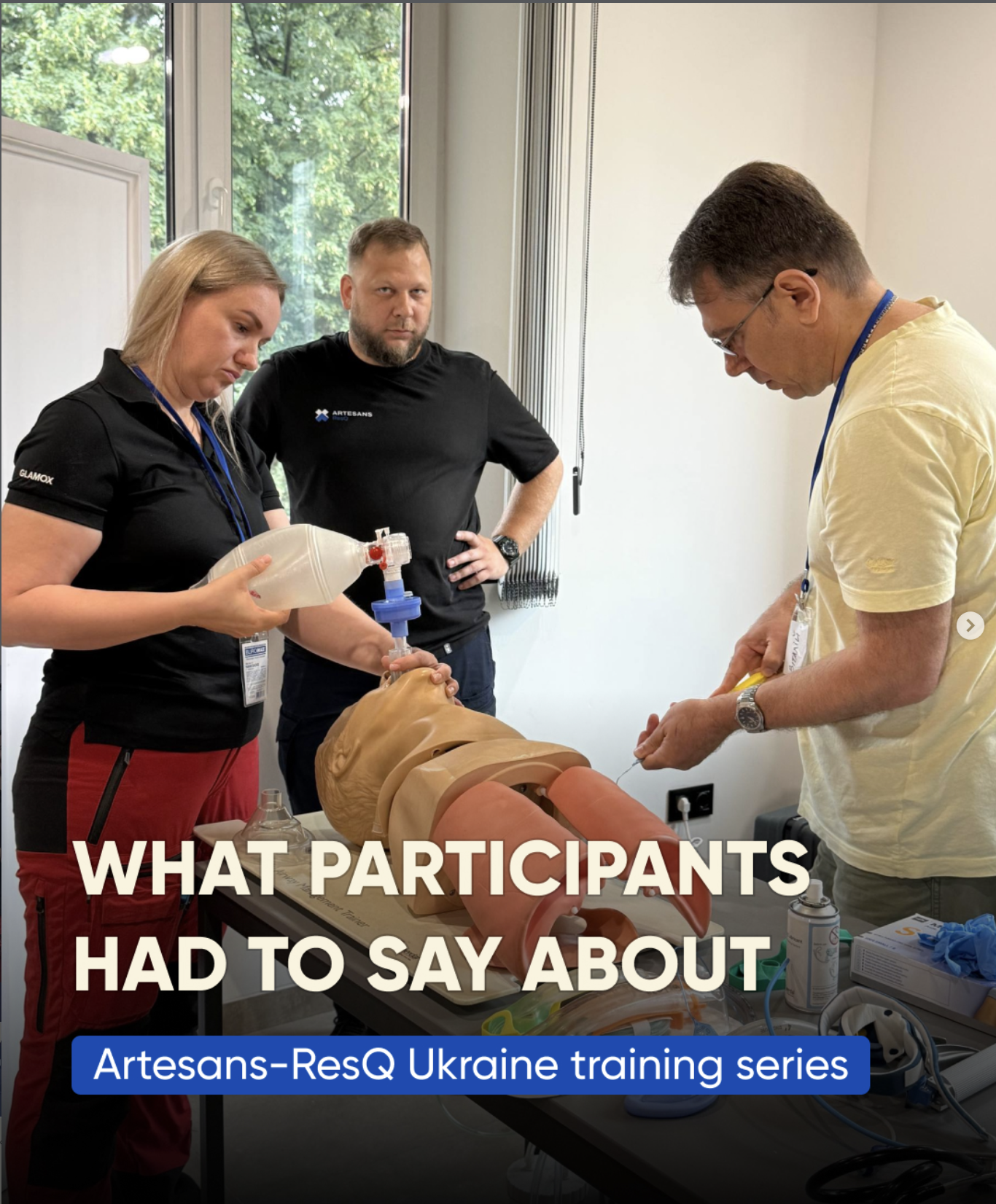
Mariia, Anastasia, Viktor and Vitalii…our latest Students Sept 19, 2026
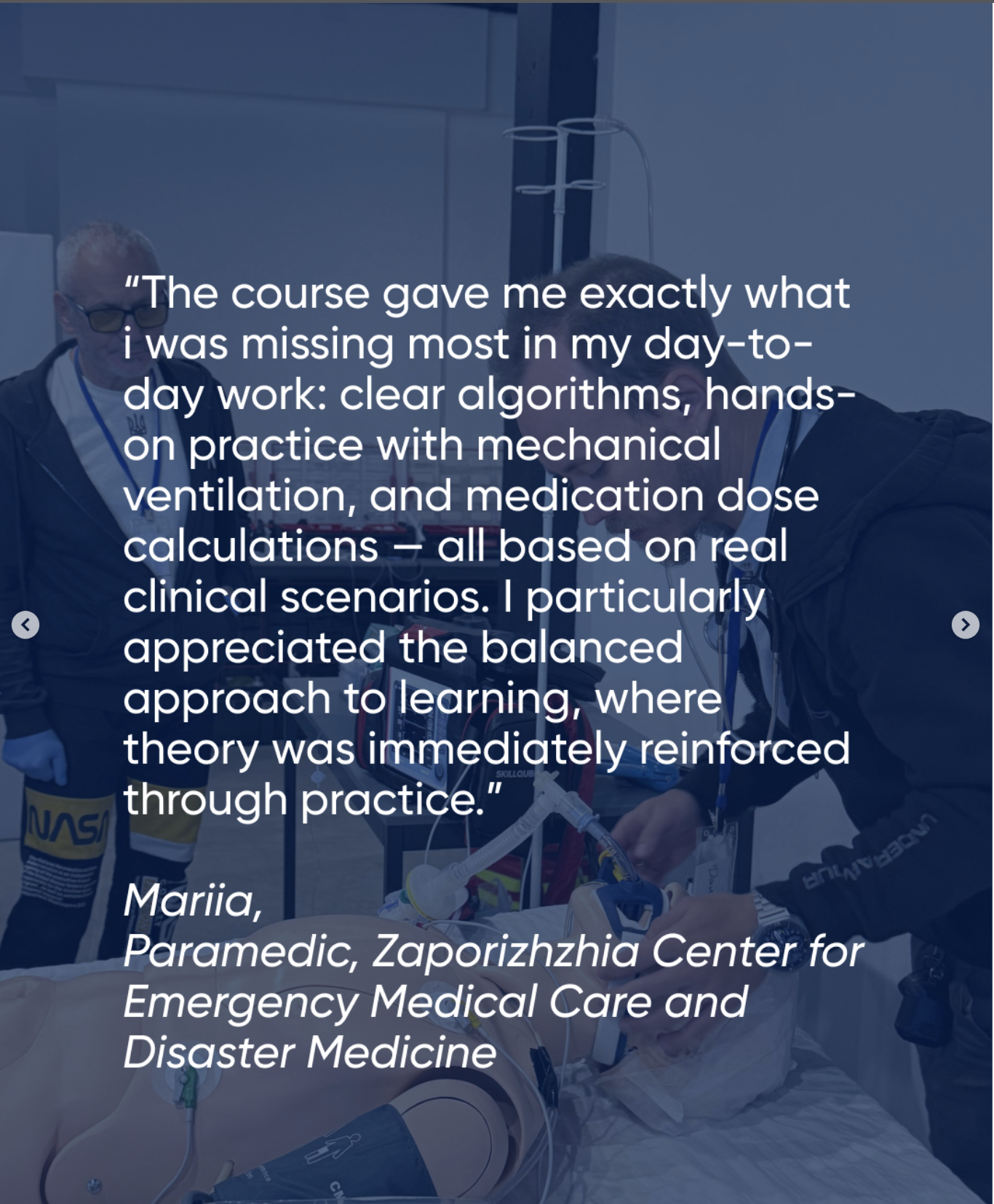
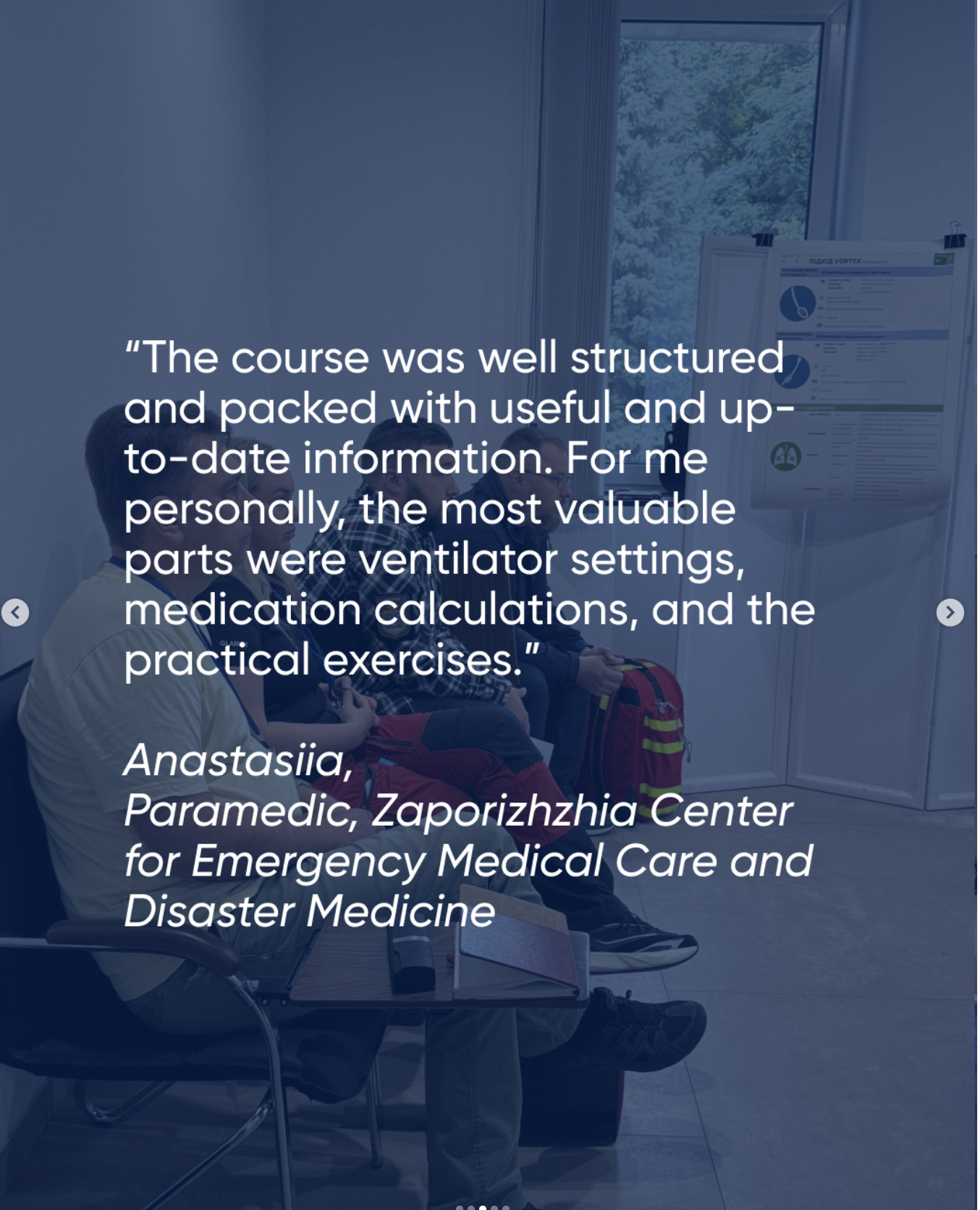
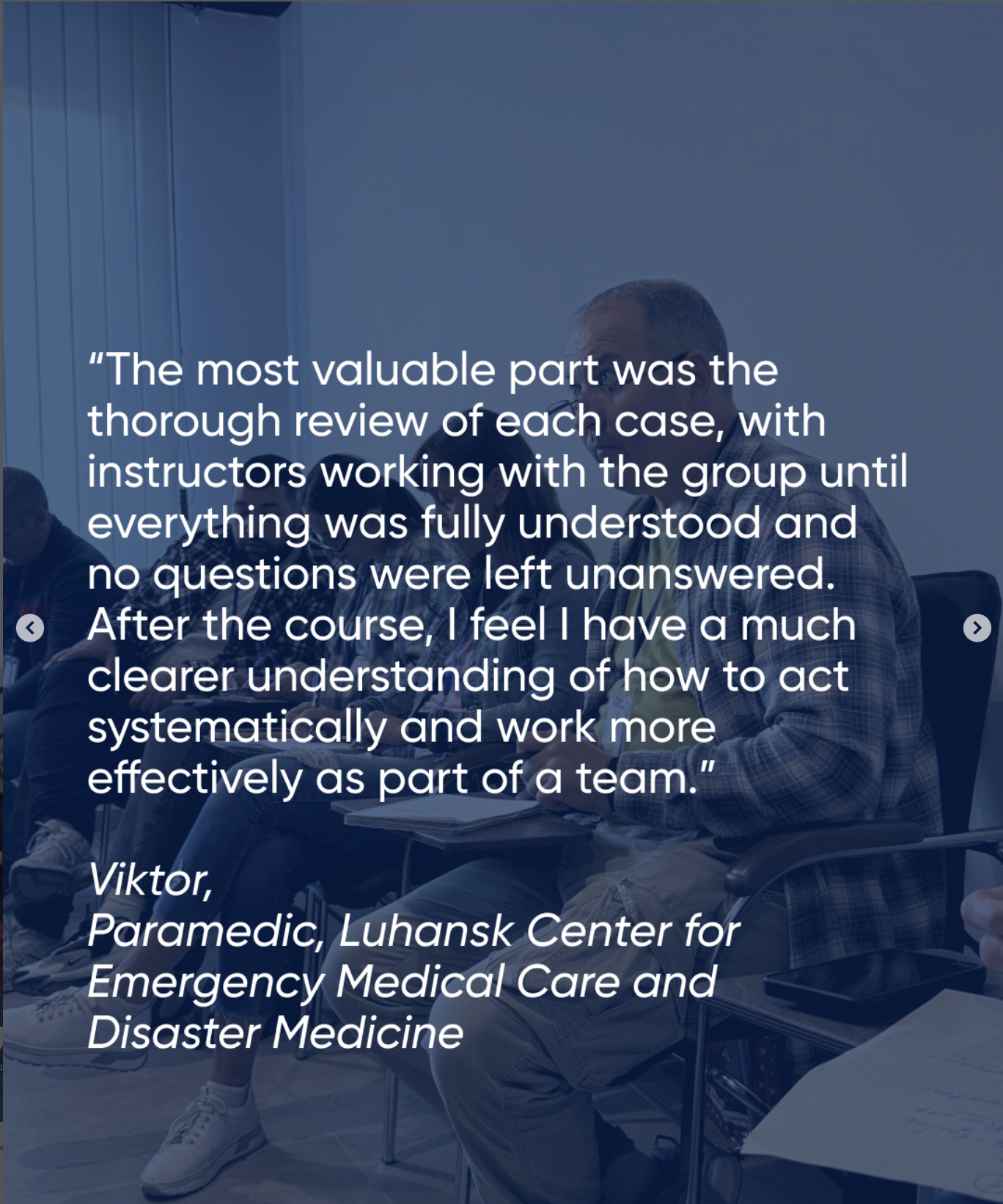
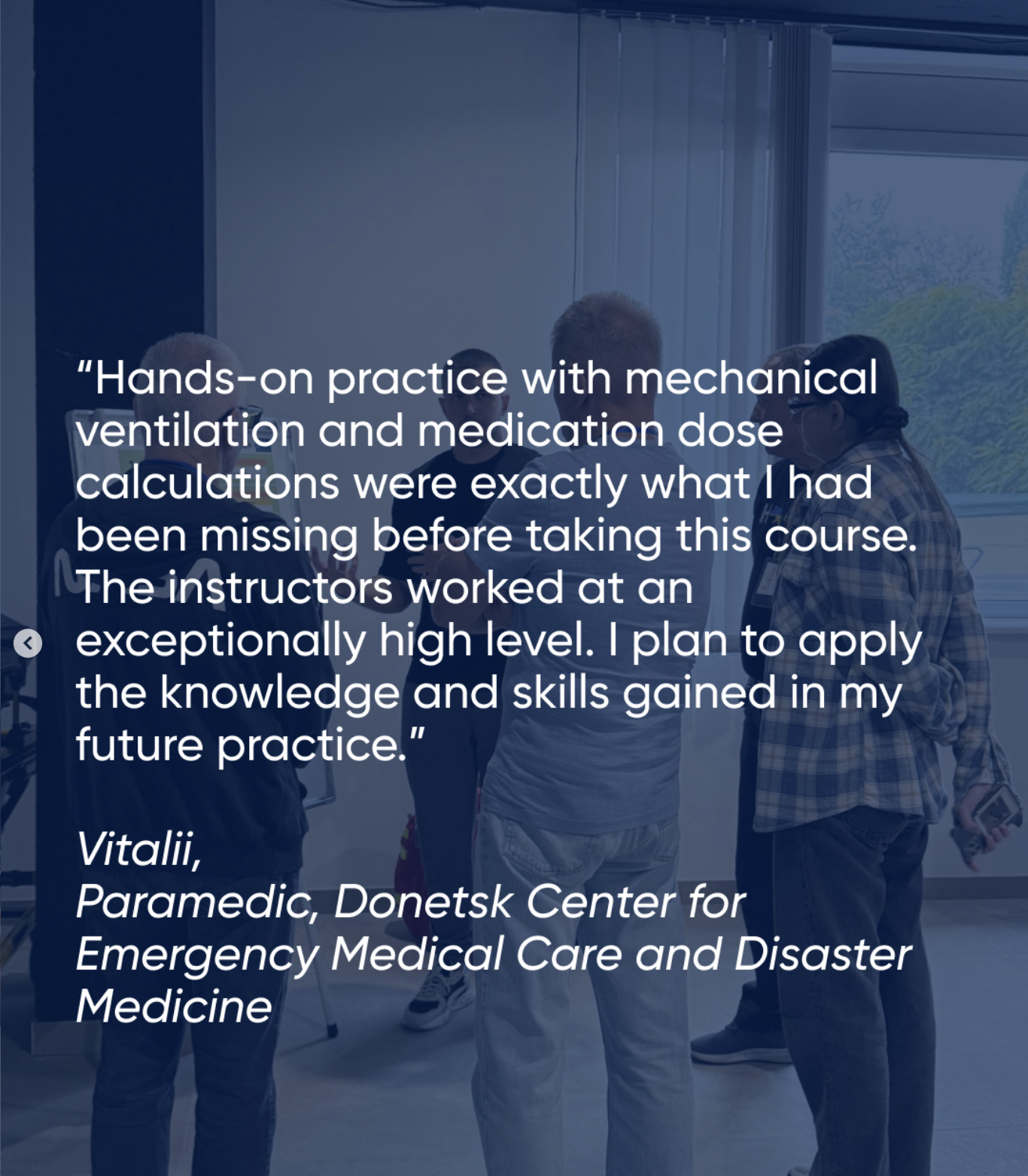
From 27 to 29 August, the Artesans-ResQ Ukraine Training Center in Dnipro welcomed 20 healthcare professionals for a Critical Care Transport (CCT) course, organized in partnership with the Ukrainian Scientific and Practical Center for Emergency Medical Care and Disaster Medicine of the Ministry of Health of Ukraine and the World Health Organization.
The group brought together healthcare professionals with different levels of experience. Some had already taken part in critical care transport missions, while others were preparing to work with critically ill patients during transport for the first time. This mix of backgrounds created valuable opportunities to share experiences, discuss real-life cases, and practice common approaches to patient care.
Training like this remains in high demand. Emergency medical teams regularly transport critically ill patients between hospitals, yet dedicated training for these transfers is still not widely available.
Over three intensive days, participants focused on the practical skills needed to care for seriously ill patients during transport. They practiced airway management and mechanical ventilation, learned how to support patients whose condition may become unstable, worked with specialist equipment such as infusion pumps, and strengthened their skills in pain management, sedation, patient handover, and teamwork
A key part of the course involved realistic scenarios in which a patient's condition suddenly deteriorated during transport. After each exercise, participants reviewed their decisions, discussed common challenges, and explored the most effective ways to respond in similar situations
We are grateful to our partners, @moz_ukraine, @whoukraine, @who, and @disaster.medicine.ukraine, whose support helps strengthen critical care transport in Ukraine and improve patient care at every stage of the journey.
Source: Instagram, Artesans-ResQ post Sept 19, 2026
Artesans-ResQ Ukraine delivered the “Critical Care Transport” training course in Kropyvnytskyi. august 28, 2026
From 29 to 31 July, Artesans-ResQ Ukraine delivered the “Critical Care Transport” training course at the Training Center in Kropyvnytskyi.
The three-day course was built around situations that emergency medical teams may encounter during real interfacility transports. 15 EMS professionals with different levels of experience in managing critically ill patients took part.
The request from local teams was clear: to make patient transport safer and to standardize team workflows. A significant part of the course therefore focused on pre-transport preparation, including:
• assessing the patient’s readiness for transport;
• checking equipment and backup supplies;
• clearly assigning roles within the team;
• ensuring structured information exchange between healthcare facilities.
The next stage focused on simulated clinical scenarios. Participants practiced airway management and mechanical ventilation, hemodynamic stabilization, the use of vasopressors and infusion pumps, and analgesia and sedation. Particular attention was also given to structured patient handover using the TAKEOVER protocol and to effective teamwork.
One of the most challenging scenarios involved the sudden deterioration of an intubated patient. In such circumstances, the team must simultaneously assess the patient’s condition, maintain hemodynamic stability, monitor ventilation, and identify the cause of deterioration— all within the limited space and resources available during transport.
Debriefings after the simulations helped identify several recurring gaps: insufficient stabilization before departure, incomplete checks of equipment and backup supplies, unclear allocation of team roles, and unstructured handovers.
This is precisely why hands-on training is essential. It allows teams to identify, analyze, and correct mistakes in a controlled environment so that, during real missions, they can act with greater confidence, coordination, and consistency.
The results confirm this:
• 80% of participants reported improved preparedness after the course;
• understanding of key CCT principles reached 93.6%;
• all participants rated the course quality and organization 5/5;
• more than 40% plan to change aspects of their practice after the course.
EMS teams regularly transport critically ill patients, but dedicated preparation for CCT is not always systematic. Training of this kind is essential for regularly practicing complex clinical scenarios, strengthening teamwork, and establishing standardized approaches to the transport of critically ill patients.
We are grateful to our partners, whose support makes this work possible: Ministry of health of Ukraine World Health Organization Ukraine and Disaster Medicine Ukraine who help us strengthen the critical care transport system and improve the quality of care throughout every stage of the patient journey.
Special thanks to Kropyvnytskiy EMS Center with its Director Andrii Tabachuk for their support in organizing.
5 Hours Old: Artesans-ResQ’s Youngest Patient, September 3, 2026
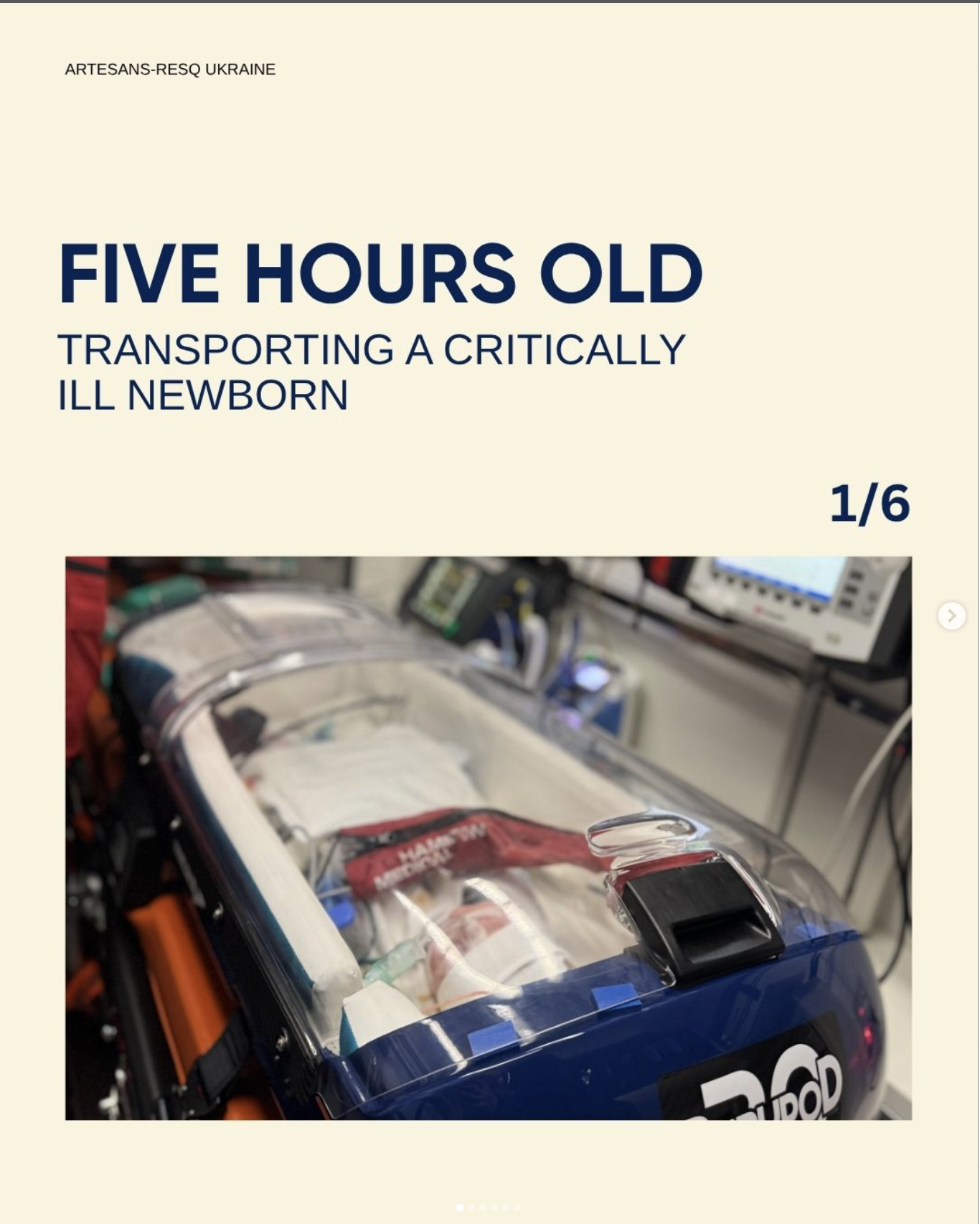
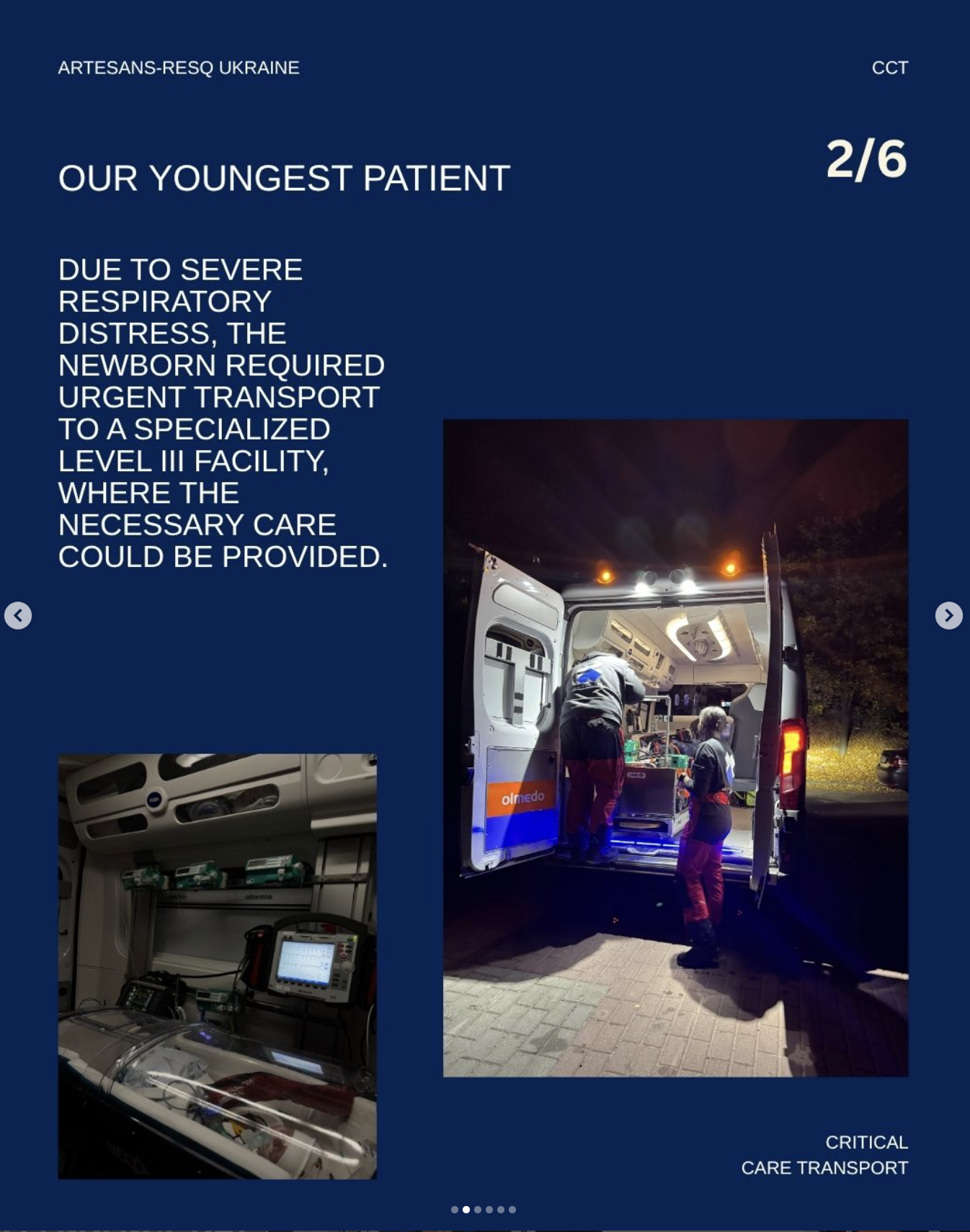
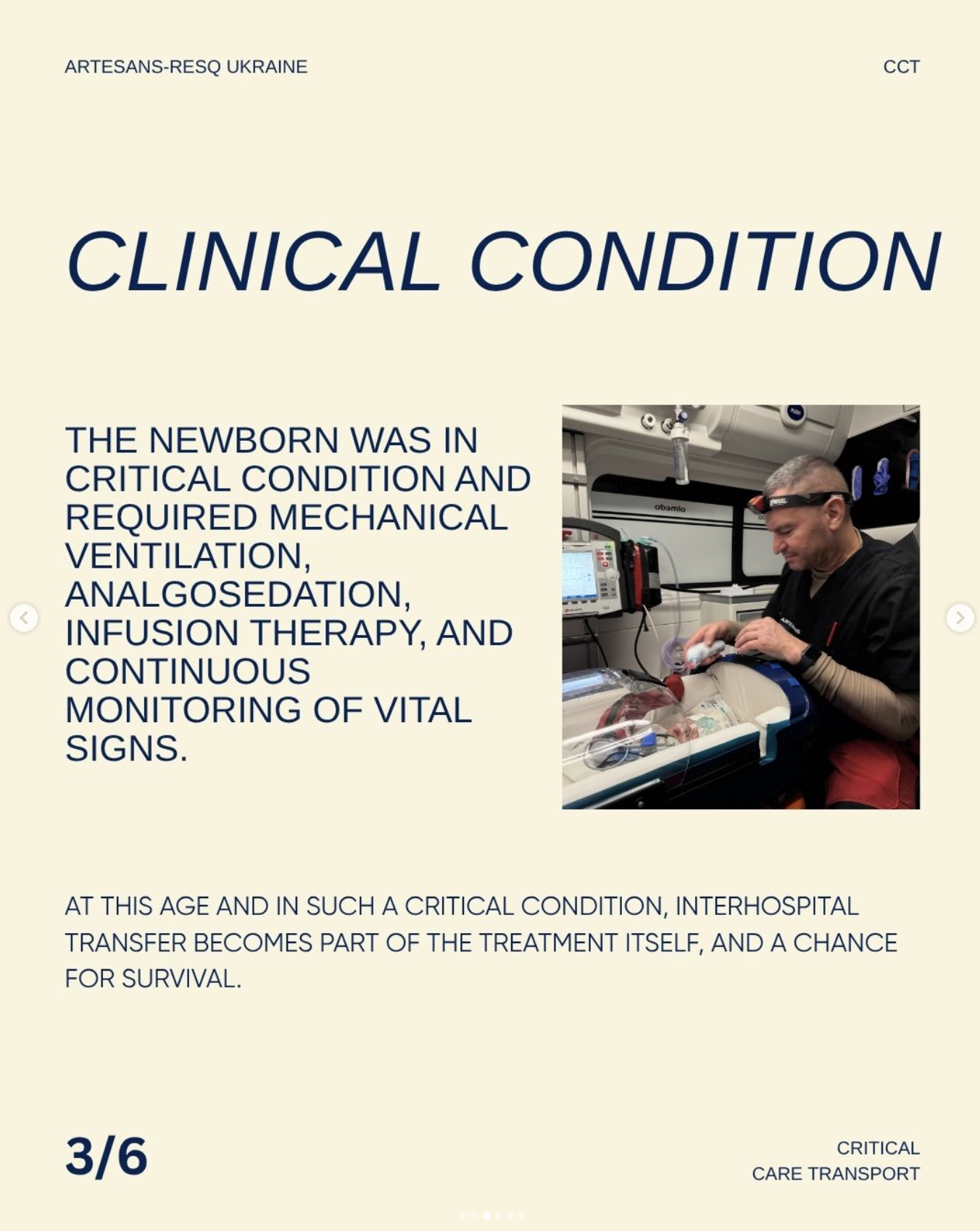
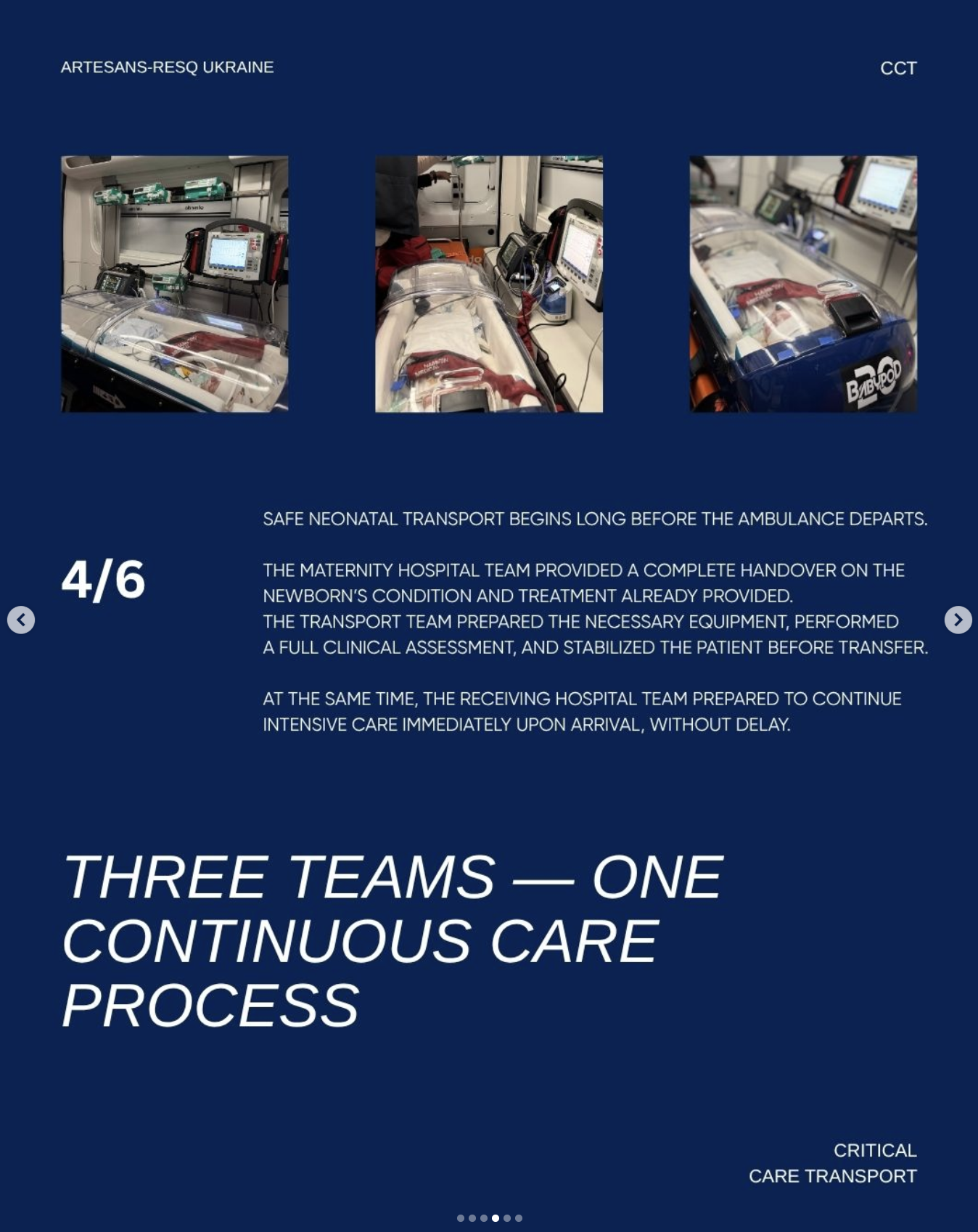
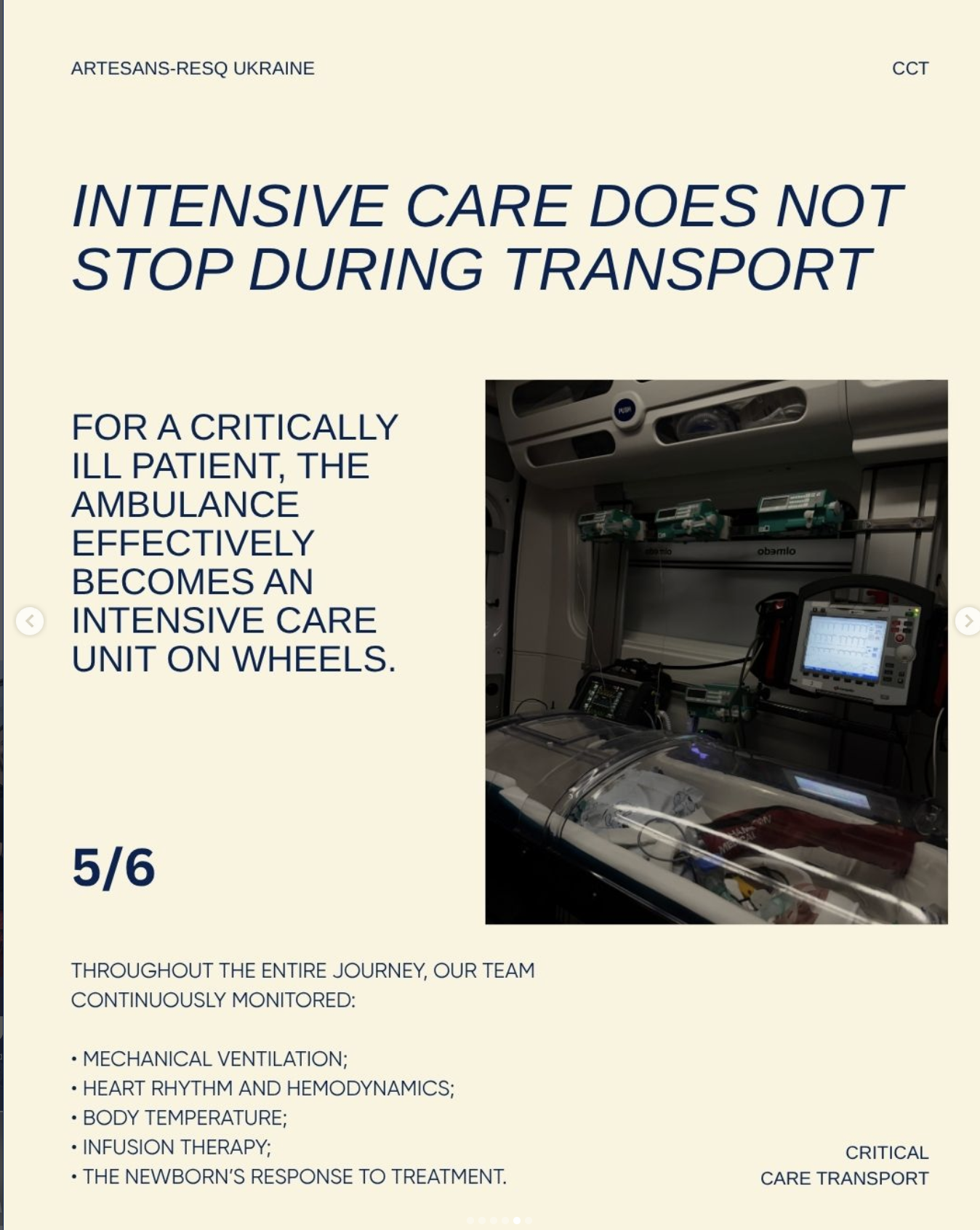
Artesans-ResQ Ukraine has just completed one of its most delicate missions yet: transporting a newborn only five hours old.
Neonatal critical care transport demands precision at every step. In the first hours and days of life, even small changes can destabilize a newborn, so the team must control ventilation, temperature, medication, monitoring, and coordination without delay.
A baby’s lungs are especially vulnerable to over-inflation, so our team chose pressure-controlled ventilation and calculated every medication dose according to the baby’s body weight.
Temperature control is equally important. Hypothermia can worsen a newborn’s condition, which is why we use the specialized BabyPod and NeoPod (special transport devices for children) system. They help maintain a stable temperature while allowing continuous monitoring, respiratory support, and intensive care throughout the journey.
Only a limited number of medical facilities in Ukraine provide highly specialized care for critically ill newborns. Safe hospital to hospital transport is an essential part of treatment and requires a specialized team, appropriate equipment, and close coordination between hospitals.
Ukraine urgently needs more neonatal critical care transport capacity: trained teams, dedicated equipment, and reliable cooperation between hospitals. Every safe transfer gives a critically ill newborn access to the specialist care they cannot receive everywhere.
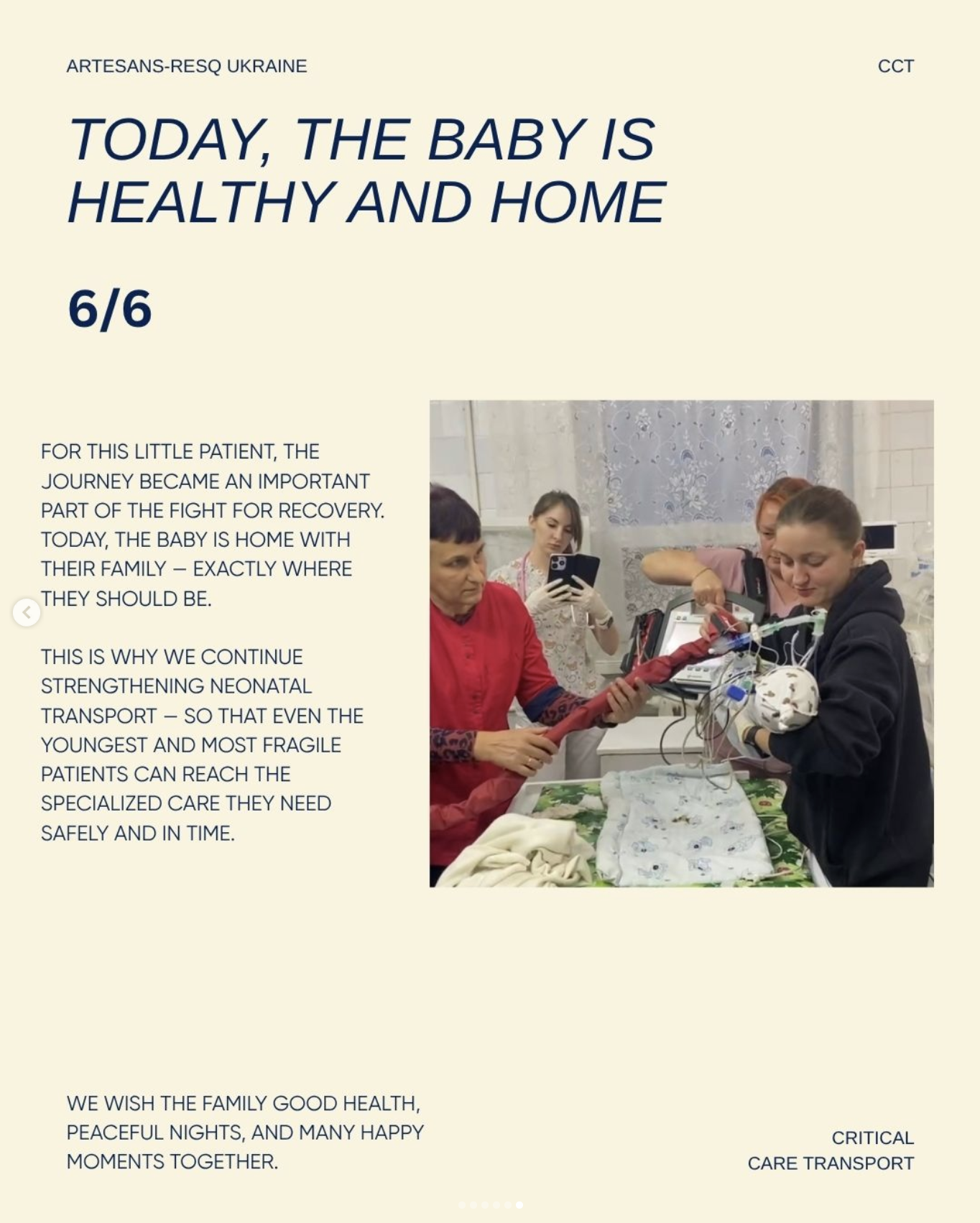
Today, our little patient is already home with their family.
Our partners make these transports possible.
@who @whoukraine: our key institutional partner. Together, we developed Ukraine’s first training standards for the transport of critically ill patients.
@moz_ukraine: our partner within the MEDEVAC program and in the national recognition of our training program.
@disaster.medicine.ukraine: our partner in strengthening critical care transport and training medical teams.
Special thanks to @nicu_dnipro and the Dnipro Center for Emergency Medical Care and Disaster Medicine for their rapid communication and close coordination throughout this transport
Source: Instagram, Artesans-ResQ post Sept 3, 2026
7 Year Old Kyrylo - August 19, 2026
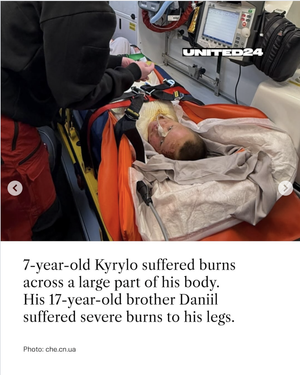
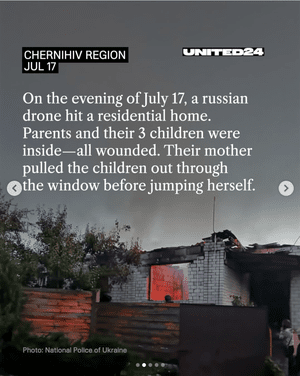
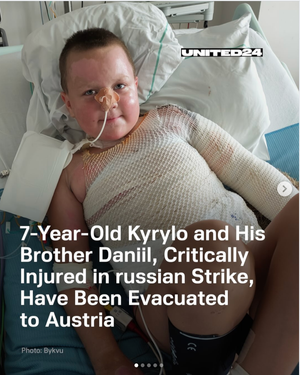
On the evening of July 17, a russian drone hit a family home in the Chernihiv region. All 5 family members inside were wounded. The most serious injuries were suffered by 7-year-old Kyrylo and his 17-year-old brother Daniil.
Kyrylo suffered burns across a large part of his body. Daniil suffered severe burns to his legs.
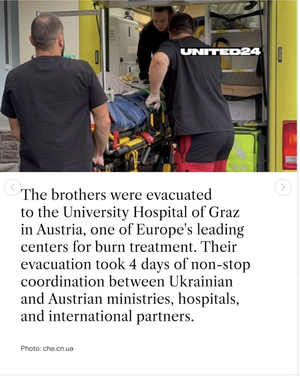
Thanks to the Mama and Baby charity, as well as 4 days of non-stop coordination between the Ukrainian and Austrian ministries, hospitals, and international partners, both brothers were evacuated to the University Hospital of Graz in Austria.
Kyrylo was transported 1,600 km by the Artesans ResQ team based in Dnipro from Chernihiv, in the north east of Ukraine, to Graz in Austria
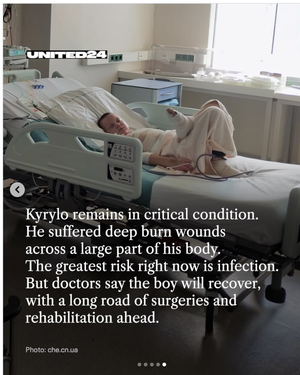
Kyrylo remains in critical condition. Doctors are fighting for his life every minute. Both boys have surgeries and long recoveries ahead.
We believe in Kyrylo and Daniil, and wish them the fastest possible recovery.
Source: Instagam, United 24 post August 19, 2026
Yellow and Blue - August 2026
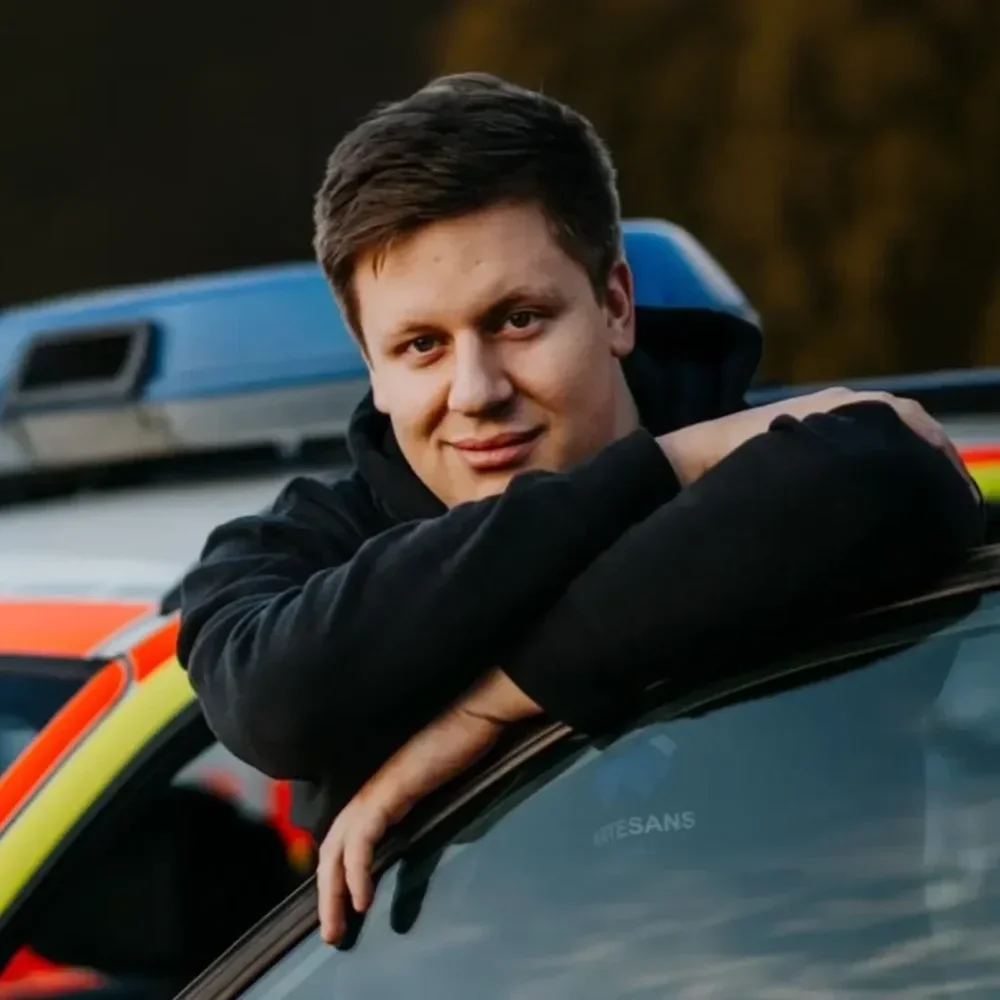
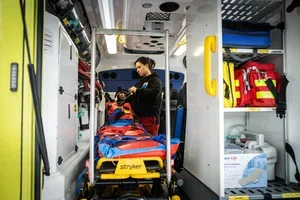
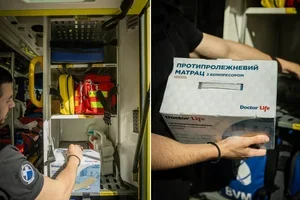
Maxim Dohrman and Artesans ResQ were featured in an article by Yellow and Blue
Nova Ukraine: Cherkasy, July 4, 2026
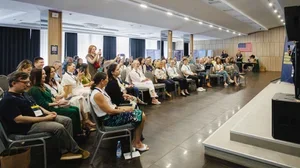
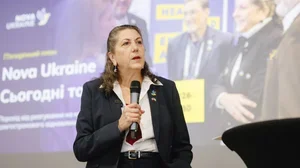
Ambassador and Nova Ukraine CEO Erin McKee
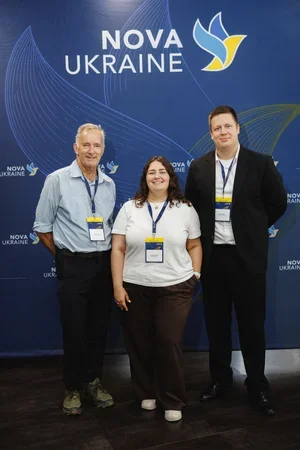
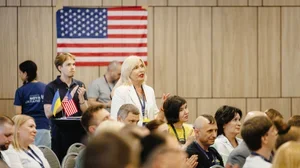
We attended the Nova Ukraine Cofnference in July 2026 in Cherkasy. Nova Ukaine has ben a major contributor to Artesans ResQ