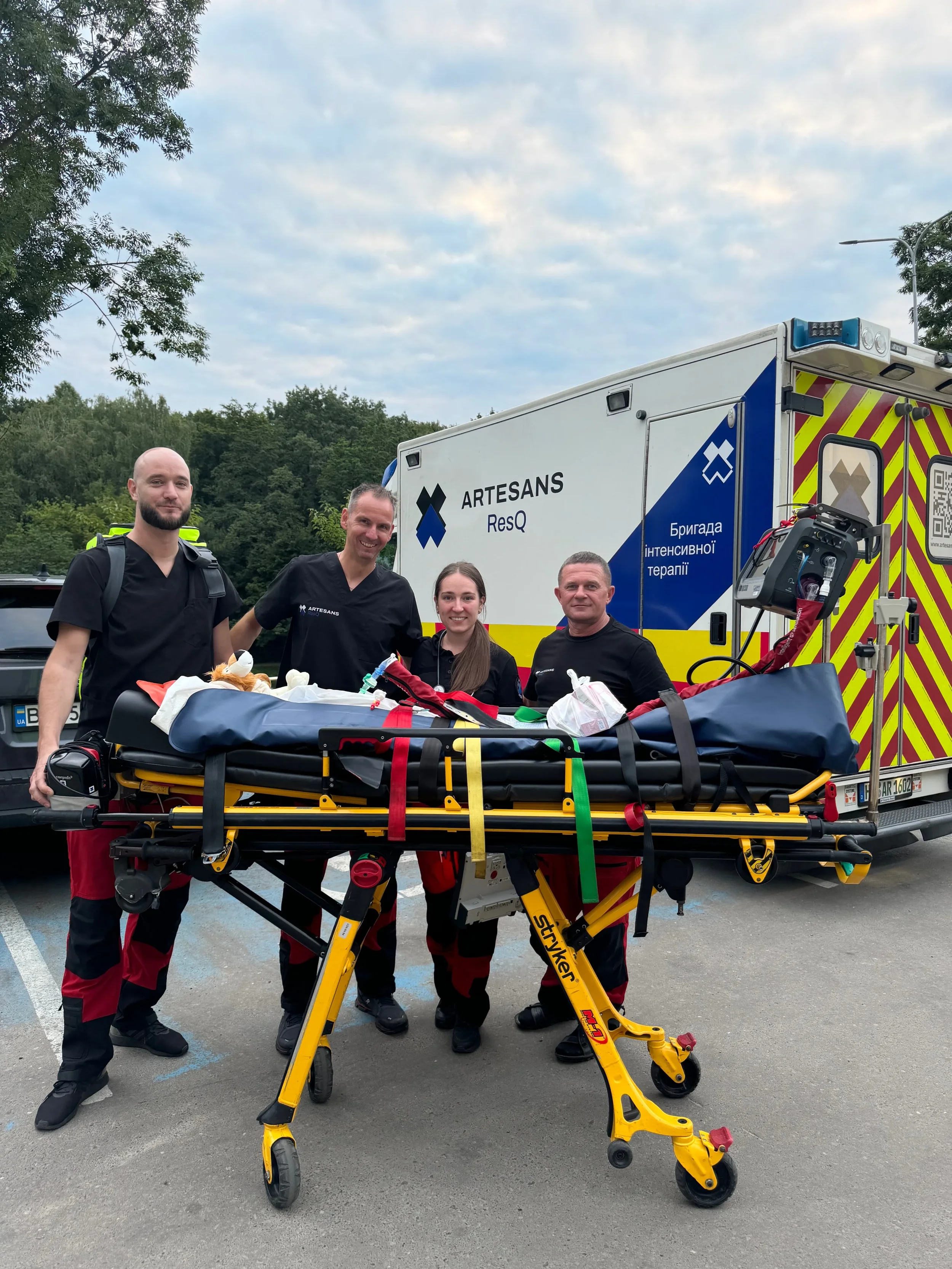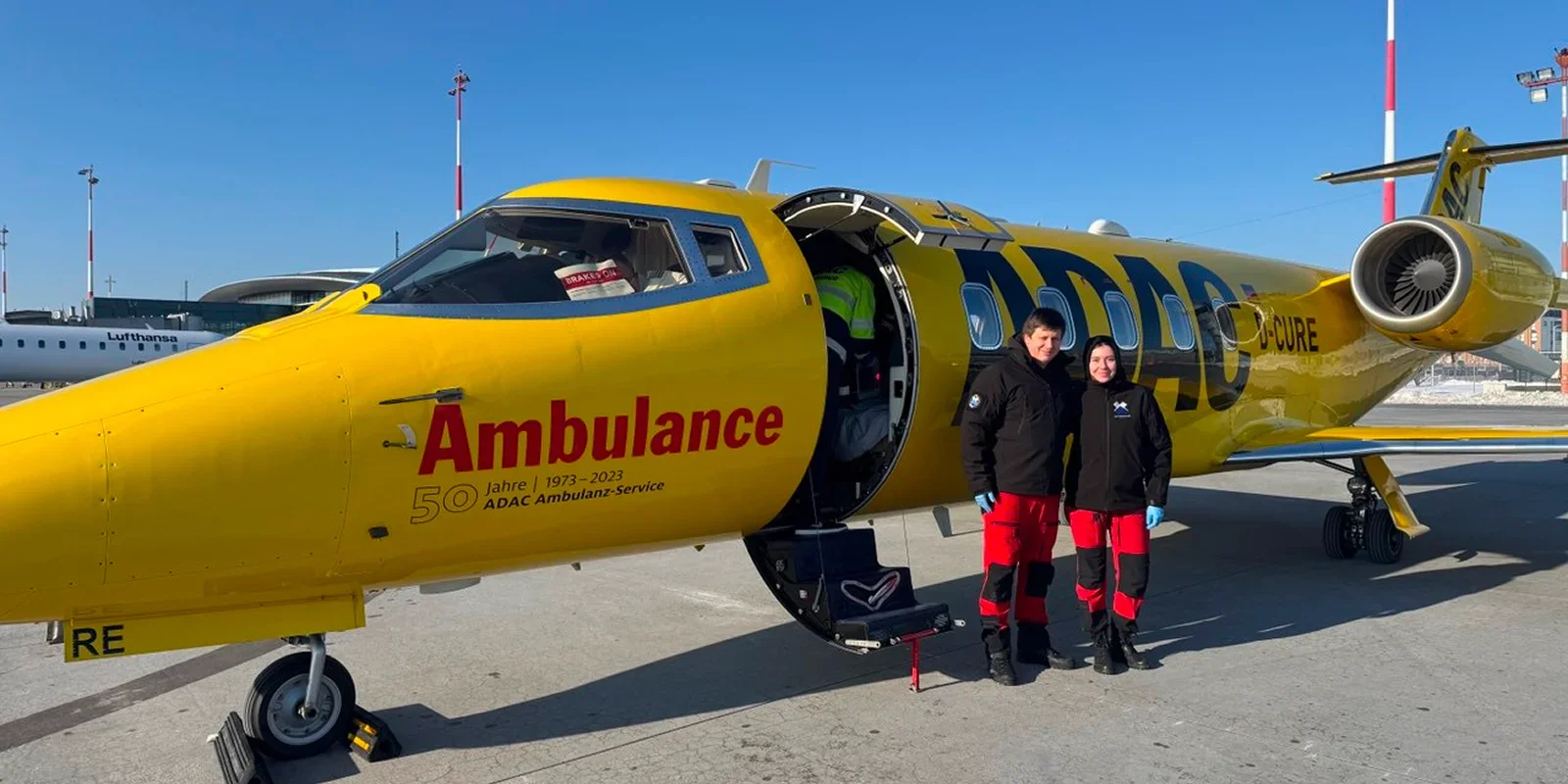
We are working to strengthen the healthcare system and improve the quality of medical care so that every patient has a chance at life.
our Work
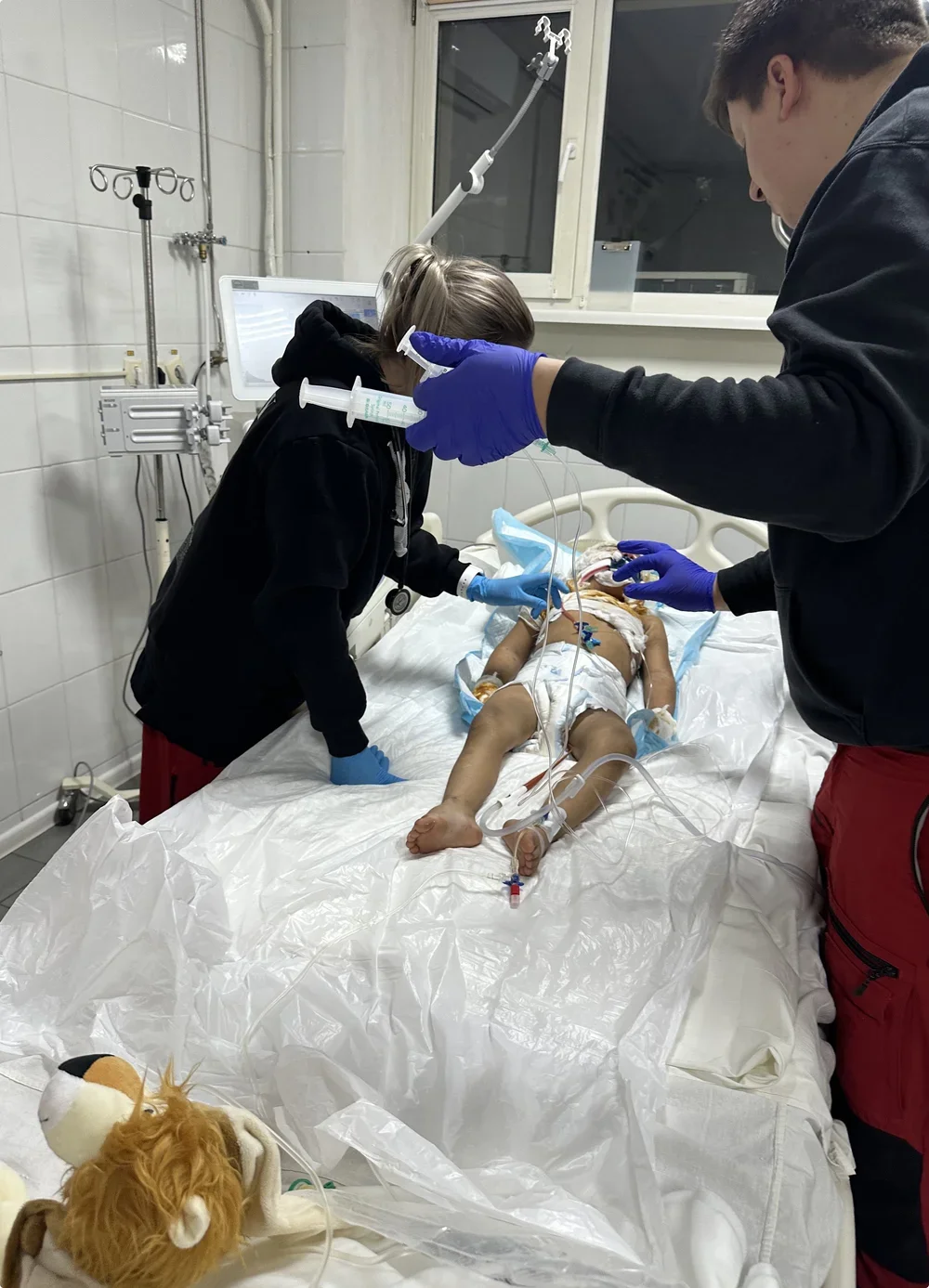
Training Medical Teams to Move Seriously Ill Patients Safely
ArtesArtesans ResQ has created a new training course in Ukraine with support from the World Health Organization and the Ministry of Health of Ukraine. The course teaches medical teams how to move seriously ill patients safely from one hospital or location to another. Artesans ResQ built the course from international best practices and from its own experience moving more than 3,000 critically ill patients.
Ukraine needs more people trained to do this work. Before the war, hospitals rarely needed teams with these skills. The war changed everything. Medical staff now see many more severely injured soldiers and civilians, especially near the front line. In some places, the number of patients has overwhelmed hospitals and ambulance teams.
To help solve this problem, Artesans ResQ created Ukraine’s first standards and step-by-step guidance for moving seriously ill patients safely. The team also launched a training program so more hospitals and ambulance teams can use the same approach across the country.
The initial group included two trainees from each region of Ukraine. After they finished the course, they returned home and began helping other medical teams move seriously ill patients safely.
The current program trains new instructors from across Ukraine. These instructors will teach the course in their own hospitals and organizations. During training, they learn from Ukrainian and international medical experts, practice real-life emergency situations, and use equipment such as breathing machines, medicine pumps, and ambulances.
The course has three parts:
First, trainees learn the basic skills they need to care for a seriously ill patient during transport.
Next, they spend three days with the Artesans ResQ Ukraine team, join emergency calls, and see how the team works in real situations.
Finally, they learn how to teach the course to others.
Artesans ResQ knows that training and real transport work must go together. The team teaches the same practical standards it uses on the road to help keep patients alive while they travel to care.
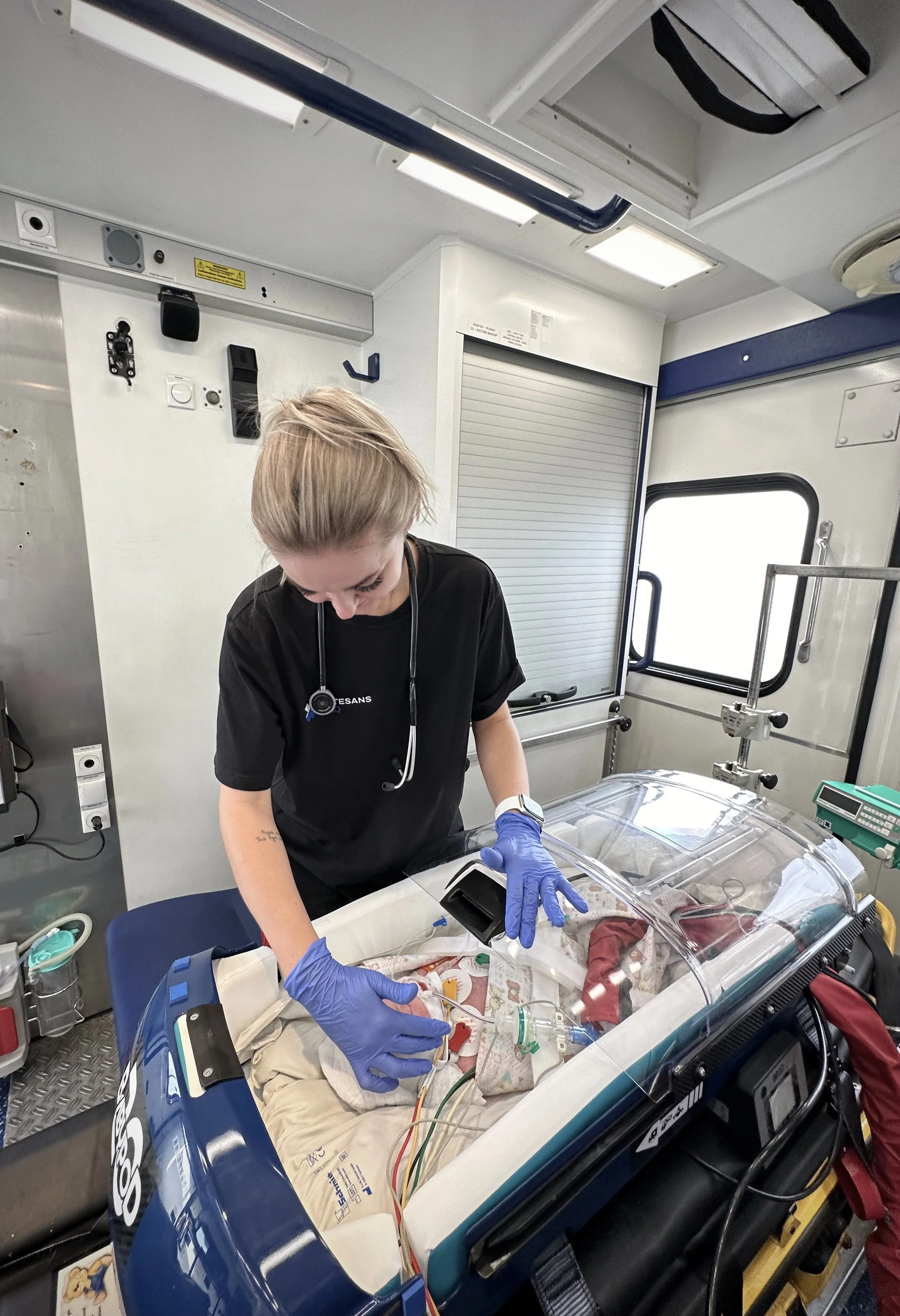
Transportation of critically Ill Children and Newborns
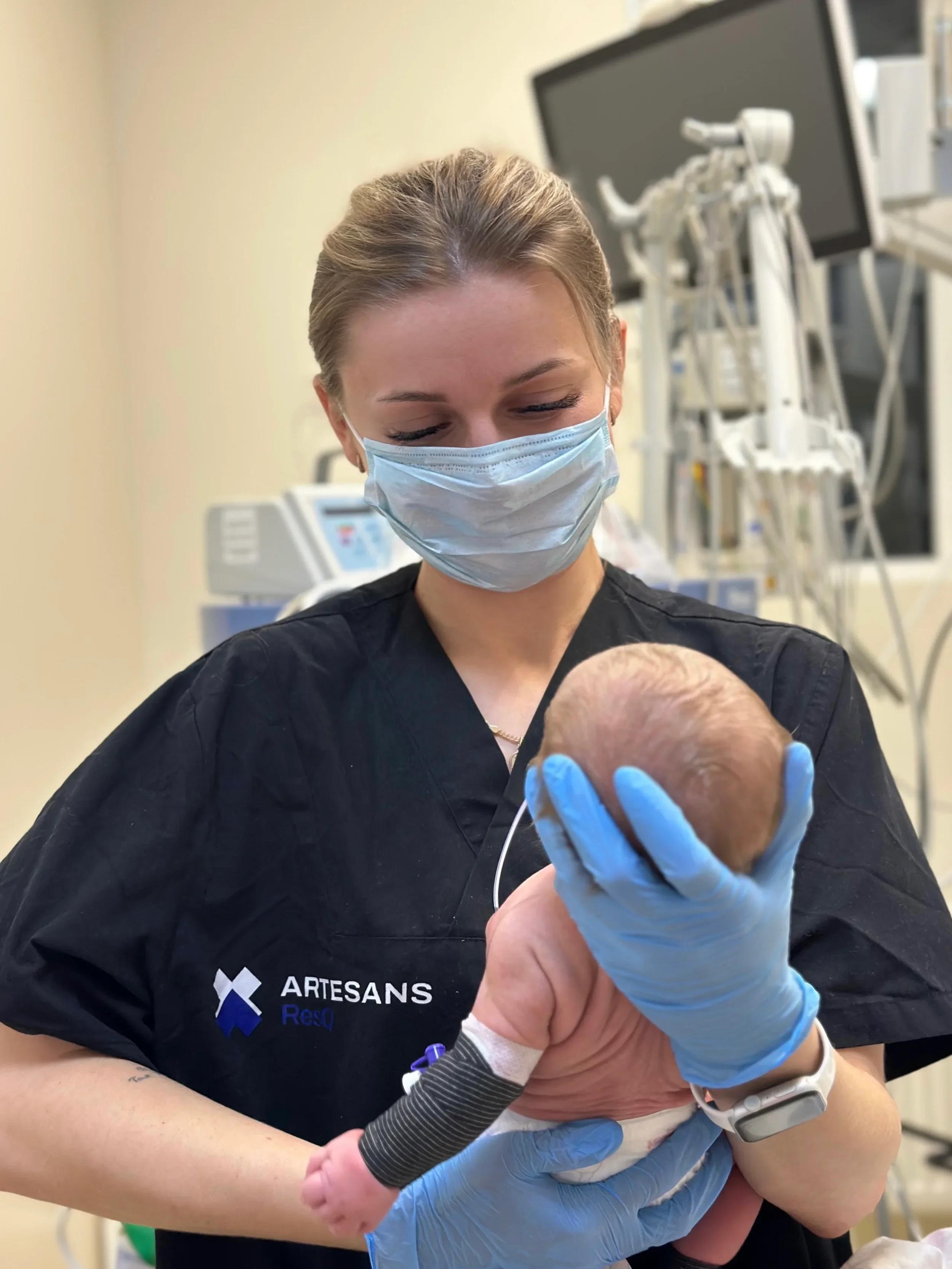
Transporting a critically ill child or newborn is complex and requires an experienced medical team, careful planning, and constant attention. Every critically ill patient needs specialized care, but children and newborns can change condition very quickly, so the team must act with precision at every step.
• Our team has extensive experience moving critically ill children and newborns over long distances so they can reach specialized treatment.
• Families and medical partners trust us with complex transfers, including long international journeys.
• We bring the training, equipment, and clinical expertise needed to provide advanced pediatric and newborn care during transport.
• We follow international transport standards to help keep each child safe, stable, and as comfortable as possible throughout the journey.
MEDEVAC: Transportation of patients abroad
Since the start of the full-scale war in Ukraine, the Medevac program has helped critically ill and severely injured patients access life-saving treatment and rehabilitation abroad when those services are not available at home. Working alongside the Ministry of Health of Ukraine and the European Commission, the program coordinates medical evacuation and specialist transfers for some of the country’s most vulnerable patients.
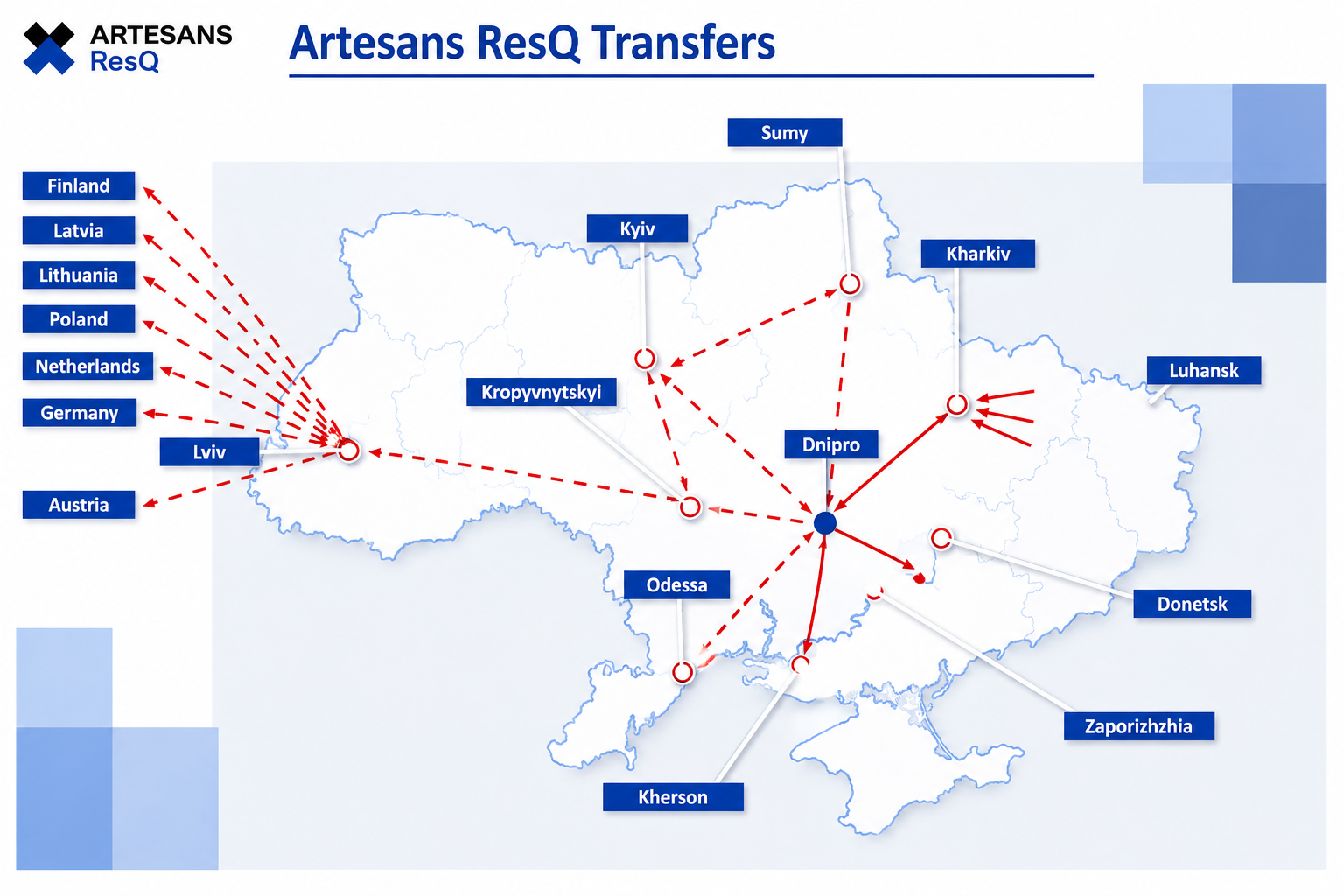
Artesans ResQ plays a key role in this effort as part of the EU Medevac programme. Together with partners, we transfer adults, children, and neonates from hospitals across Ukraine, including Kharkiv, Dnipro, and other major towns, to specialist care in Ukraine and abroad. Many patients have suffered severe injuries, extensive burns, traumatic brain injuries, or complex medical conditions that require intensive, highly specialized care. Others need urgent transplants, neonatal care, or long-term rehabilitation unavailable in Ukraine.
Many countries, including Germany, the Netherlands, Finland, Austria, Latvia, Poland, and others, have opened their hospitals to severely injured Ukrainians, providing free specialist care that is not available inside Ukraine. As of early 2026, more than 6,400 patients had received care across 33 countries through support from the European Union and its member states. These are:
People injured as a result of the war.
Patients who need long-term rehabilitation unavailable in Ukraine.
Individuals with complex medical conditions requiring specialist treatment abroad.
Adults, children, and neonates who require intensive care during transfer.
Injured children and newborns in need of urgent care and recovery services.
Over the past year, Artesans ResQ has increasingly carried out long-distance transfers, defined as journeys of more than 500 kilometers. This shift reflects the growing number of severe cases, children, and newborns who need specialist services that are fewer in number and often located farther away. Because air evacuations are impossible during ongoing air strikes, patients and medical teams now spend more time on the road.
Long-distance and international transfers are especially demanding in terms of resources, planning, clinical readiness, and staff endurance. In 2024, Artesans ResQ completed 35 long-distance transports of over 500 kilometers, representing 4% of all missions. In 2025, that figure rose to 160 long-distance transports, representing 20% of all missions. These journeys can last twelve hours or more one way, and some transfers take 20 hours or longer while the team manages intensive care throughout the journey.
Demand has also increased sharply. Requests for long-term transfers rose from 32 between January and May 2025 to 113 in 2026, a 250% increase. Artesans ResQ was able to accept 80 patients for long-term transfers, but the higher demand reduced the acceptance rate from nearly 100% to 70%.
Every evacuation requires close coordination between Ukrainian healthcare professionals, international medical teams, volunteers, and partner organizations. Together, they provide continuous care and support throughout each patient’s journey. Partner organizations cover transportation and treatment costs, ensuring that patients and their families receive this support free of charge.
Medevac represents international solidarity in action. Every journey brings together healthcare professionals, volunteers, institutions, and communities united by a shared commitment to saving lives. Artesans ResQ is proud to contribute to this mission and grateful to the many partners who make it possible
Transporting Adult Critical Care Patients
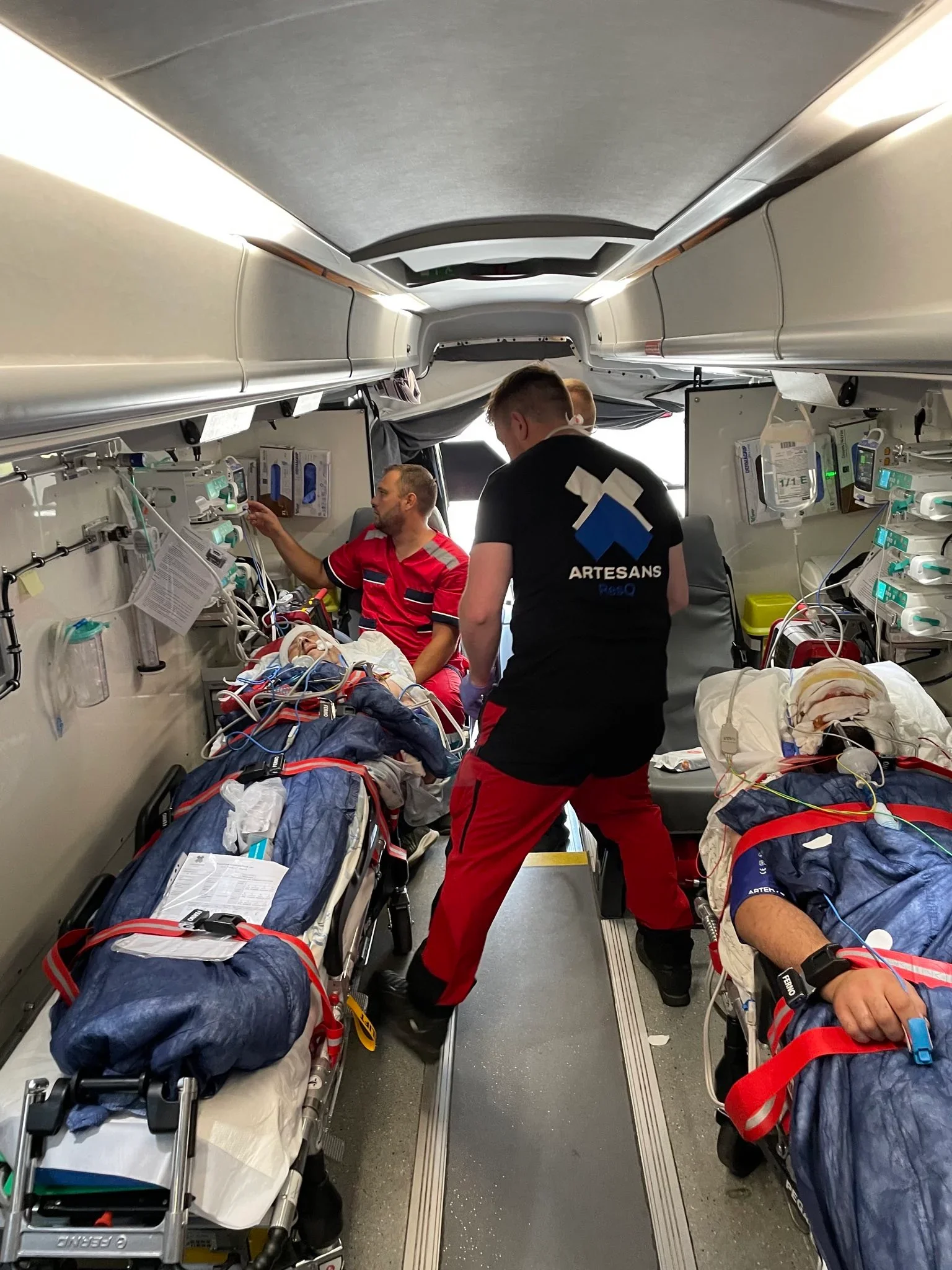
Moving a critically ill patient takes more than an ambulance. It means turning that ambulance into a mobile intensive care unit, ready to keep a patient alive and stable for hours, sometimes more than a day. Long before the wheels start moving, our team is already at work. Here is what goes into every adult transport.
Planning the Route
We start by mapping out where the patient is coming from, where they need to go, and the safest way to get there. Our medical staff and drivers follow clear checklists, so everyone arrives ready, with the training, equipment, and support they need for whatever the journey brings.
Talking with the Medical Team
Next, we talk with the doctors and nurses already caring for the patient, so we understand their condition before we arrive. We then examine the patient ourselves, once the day before the transport and again just before we leave. This helps us catch problems early and keeps the journey as safe as possible.
Getting the Patient Ready
We assess the patient carefully against our own medical standards, then work with the hospital team to adjust their treatment plan, including medications, for the trip ahead. A hospital can offer a stable, controlled setting. Our job is to make sure the patient stays just as safe, and just as comfortable, once they leave it.
Caring for the Patient on the Road
An ambulance cannot offer the same stability as a hospital ward, so our team adapts care to match. We work to stay ahead of problems rather than react to them, keeping the patient stable and comfortable at every stage of the journey.
Every mission is different, but our goal never changes: get the patient there safely, and get them there in the best possible condition.
Let’s Work Together